
If your dog struggles with skin allergies, you know how frustrating it can be to find effective relief. Skin allergies in dogs often cause itching, redness, and discomfort that affect their quality of life. Herbal treatments offer a natural way to soothe irritated skin and reduce inflammation without relying solely on medications.
You can use certain herbs like burdock root, calendula, and ashwagandha, which have anti-inflammatory and healing properties that target common causes of skin allergies in dogs. These natural remedies can support your dog’s skin health by cleansing, calming, and protecting the skin from environmental triggers.
By incorporating herbal treatments alongside other care measures, you provide your dog with gentle, holistic support. Understanding which herbs work best and how to apply them can help you tackle your dog’s skin allergies in a safe and effective way.
Understanding Dog Skin Allergies
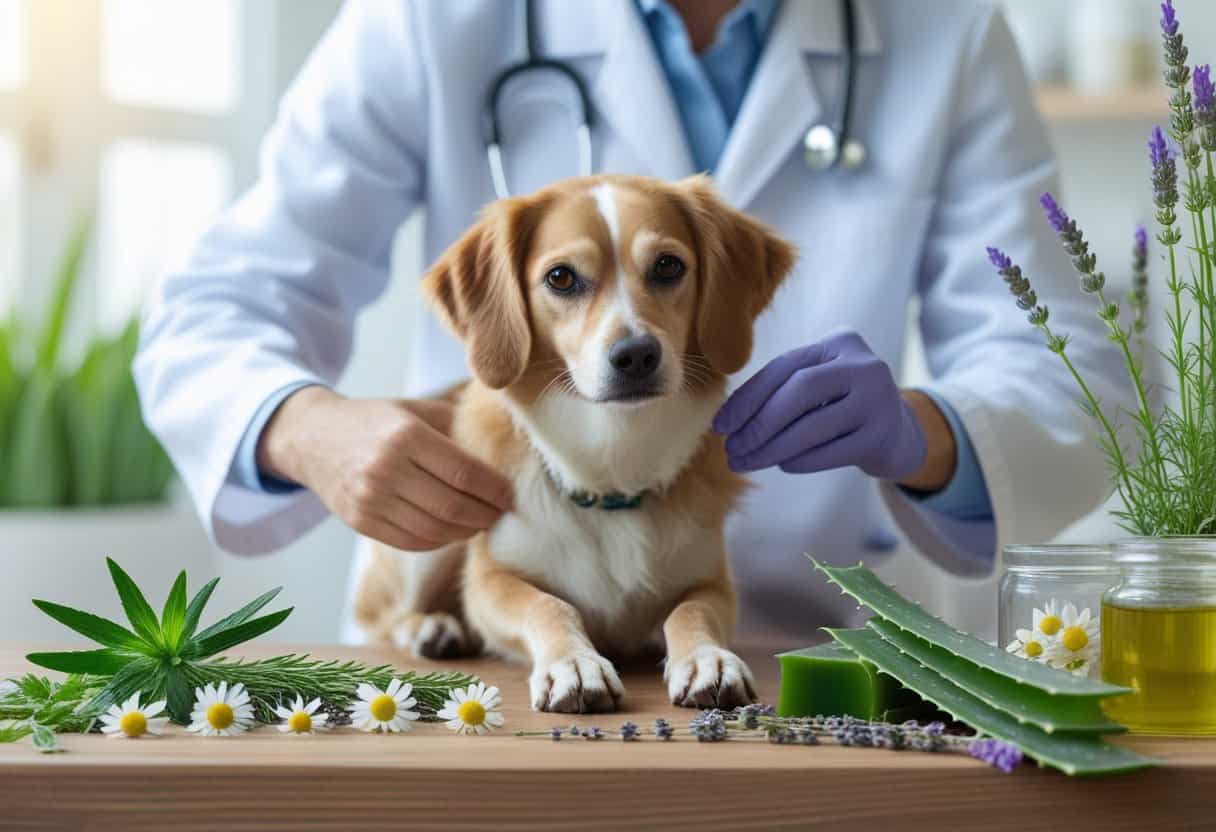
You need to recognize the specific causes and signs of skin allergies in your dog to manage the condition properly. Both external factors and internal responses play key roles in triggering inflammation and itching.
Common Allergens Affecting Canine Skin
Your dog can react to various allergens that irritate the skin and cause allergic reactions. These include environmental allergens like pollen, dust mites, and mold. Food ingredients such as beef, dairy, and wheat are also common triggers.
Fleas are a significant cause of allergic dermatitis. Flea saliva can provoke severe itching and hot spots. Identifying the particular allergen is crucial as it directs your choice of treatment and prevention methods.
Symptoms of Allergic Reactions in Dogs
Allergic reactions often begin with intense itching and scratching. You may notice redness, inflammation, and dry or flaky skin. Repeated scratching can lead to hot spots, which are areas of raw, infected skin.
Hair loss and constant licking of specific body parts, like paws or ears, are other signs. These symptoms, if left untreated, can worsen and lead to secondary infections.
Role of Environment and Stress
Your dog’s environment greatly affects the severity of skin allergies. Exposure to humid or dusty areas can increase inflammation and itching. Seasonal changes often worsen allergic symptoms due to higher pollen counts.
Stress also impacts your dog’s immune system, making them more sensitive to allergens. Managing stress through a calm environment and regular routine can reduce allergy flare-ups and support skin health.
Herbal Treatments for Dog Skin Allergies
You can use specific herbs to soothe your dog’s irritated skin, reduce inflammation, and support healing. Choosing the right herbs or blends can target symptoms like itching and dryness effectively.
Popular Medicinal Herbs and Their Benefits
Certain medicinal herbs are well-known for their skin-soothing properties. Chamomile is widely used for its anti-inflammatory and calming effects on irritated skin.
Aloe vera provides moisturizing relief and helps reduce redness and inflammation. It is often applied topically to dry or damaged areas.
Burdock root supports detoxification and can improve skin conditions by clearing allergens from the body. Calendula promotes wound healing and helps prevent infections.
Using these herbs in their natural or processed forms offers gentle, organic herbal remedies that support healthier skin without harsh chemicals.
Targeted Herbs for Itchy Skin
When your dog suffers from itching, specific targeted herbs can provide relief. Ashwagandha modulates the immune response, which may reduce allergic reactions causing itchiness.
Plantain and nettle help calm skin irritation and reduce histamine release, decreasing your dog’s urge to scratch.
Herbs like chamomile also contain flower essences that soothe nerve endings and can ease discomfort.
Administering these herbs as teas, creams, or supplements can help manage persistent itching without masking symptoms or causing adverse effects.
Herbal Blends and Tinctures
You can find or create organic herbal blends and tinctures designed specifically for dog skin allergies. These combine multiple herbs to address several aspects of skin health simultaneously.
A typical herbal blend may include calendula for healing, burdock for detox, and chamomile for inflammation. Tinctures offer a concentrated form that is easy to dose carefully.
Many herbalists craft liquid allergy supplements that promote vitality while gently supporting your dog’s immune system.
Use blends or tinctures under professional guidance to ensure correct dosages and avoid potential interactions with medications.
Safe Use of Organic Herbal Remedies
When using organic herbal remedies, safety is crucial. Always verify that herbs are free from pesticides and contaminants.
Start with small doses and monitor your dog for any adverse reactions. Avoid herbs known to be toxic to dogs, such as tea tree or comfrey.
Consult your veterinarian or a qualified herbalist to tailor treatments to your dog’s specific condition.
Remember, combining herbal treatments with veterinary care ensures balanced and effective management of your dog’s skin allergies.
Supporting Skin Health with Supplements and Probiotics
You can improve your dog’s skin health and reduce allergic reactions by using targeted supplements. These products often combine probiotics, antioxidants, and carefully sourced ingredients to support healing and maintain a resilient skin barrier.
Role of Probiotics in Canine Allergies
Probiotics help balance your dog’s gut microbiome, which directly influences immune response and skin condition. A healthy digestive system reduces inflammation that often causes itchy and irritated skin.
By promoting beneficial bacteria, probiotics support your dog’s natural defenses against allergens. This can lead to less scratching and discomfort over time. Look for supplements with multiple probiotic strains for broader benefits.
Consistency is key when giving probiotics. Results typically improve over weeks, as the microbiome adjusts. They work best alongside other allergy management strategies, not as standalone cures.
Antioxidants for Healing and Skin Support
Antioxidants neutralize harmful free radicals that damage skin cells during allergic reactions. Incorporating antioxidants in supplements can accelerate skin repair and reduce redness and irritation.
Common antioxidants in dog supplements include vitamin E, vitamin C, and natural plant extracts like green tea or turmeric. These ingredients also support overall immune function, helping your dog resist further allergic triggers.
Using supplements rich in antioxidants can improve your dog’s coat quality in addition to soothing their skin. They aid your pet’s ability to regenerate skin cells, promoting a stronger, healthier skin barrier.
Choosing Supplements Made in the USA
Selecting supplements made in the USA provides reassurance about quality control, ingredient sourcing, and manufacturing standards. These products often undergo stricter testing to ensure safety and efficacy.
Supplements labeled as made in the USA typically follow regulations that limit contaminants and use premium ingredients. This can help prevent unexpected allergens or ineffective formulations.
When shopping, verify that the company provides transparent information about sourcing and testing. Trusted brands clearly list their manufacturing location and quality certifications to help you make an informed choice for your dog’s skin health.
Safety Considerations and Veterinary Guidance
You should carefully evaluate risks associated with herbal treatments before using them on your dog’s skin allergies. Proper dosing and awareness of possible medication interactions are essential to avoid complications. Consulting with a veterinarian ensures safe and effective care tailored to your pet’s specific health needs.
Potential Risks of Accidental Overdose
Herbal remedies for dog skin allergies are not free from risks, especially when dosing is incorrect. Some herbs can be toxic or cause adverse reactions if given in excess. For example, plants like guava leaves might cause digestive upset if overdosed, while baking soda used excessively could disrupt skin balance.
Always measure doses precisely and follow recommended guidelines. Accidental overdose of any substance, herbal or pharmaceutical, can lead to symptoms such as vomiting, diarrhea, or lethargy. If you notice unusual behavior after administering herbs, stop use immediately and seek veterinary advice.
Keep herbal products out of reach of children and other pets like cats, who may have different sensitivities or toxicities to certain substances.
Interactions with Medications and Health Conditions
Herbal treatments can interact with medications your dog is currently taking, potentially diminishing effectiveness or causing harm. Antihistamines like diphenhydramine and cetirizine can be safe but only if they contain no decongestants. Mixing herbs with such medications may amplify sedation or allergic reactions.
Certain health conditions, including liver or kidney disease, can alter how your dog processes herbal compounds. Dogs with these conditions need specialized care, as some herbs could worsen their state or interfere with prescribed drugs.
Provide your veterinarian with a complete list of herbs and medications your pet uses. This helps to avoid dangerous interactions and ensures your dog’s treatment plan is comprehensive and safe.
Importance of Veterinary Care
Relying on veterinary care is crucial when managing dog skin allergies with herbal remedies. A vet can confirm the diagnosis, rule out infections, and recommend appropriate treatments that may include or exclude herbal options.
They can also monitor your dog’s response to treatment and adjust dosages accordingly. In the case of seasonal allergies, a vet might suggest combining herbs with conventional medications for better symptom control.
Veterinary guidance is especially important if your dog shows signs of worsening symptoms or if another pet, such as a cat, shares the same environment. Timely professional intervention reduces the risk of complications and secures your dog’s well-being.