
If your dog is showing signs of joint pain or stiffness, herbal supplements can offer natural support to improve their comfort and mobility. These supplements often include ingredients like turmeric, glucosamine, and chondroitin, which work together to reduce inflammation and support cartilage health. Using herbal supplements can help manage your dog’s joint pain by promoting joint strength and decreasing discomfort without harsh chemicals.
You may find that combining herbs such as turmeric with compounds like MSM enhances the anti-inflammatory effects and supports overall bone health. Many dog owners prefer this holistic approach as it targets the cause of joint issues while being gentle on your pet’s system. Understanding the right supplements can empower you to make informed decisions to help your dog move with greater ease.
Understanding Dog Joint Pain
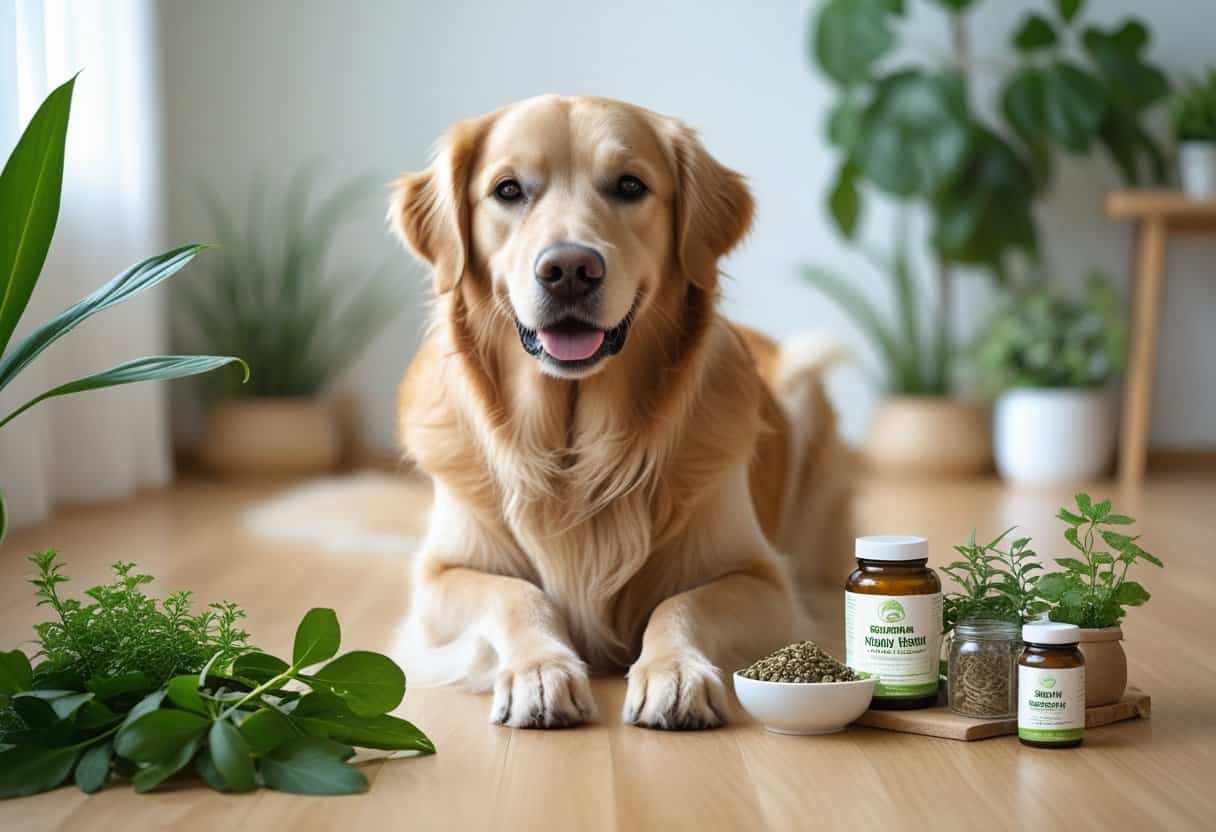
Dog joint pain often stems from specific causes and progresses as joint health declines. You can spot early signs by watching for changes in behavior or movement, helping you manage your dog’s condition before it worsens.
Common Causes of Joint Pain in Dogs
Joint pain in dogs usually results from arthritis, injury, or age-related wear. Arthritis is the most common cause and involves inflammation that damages cartilage, leading to stiffness and discomfort.
Other causes include hip dysplasia, ligament injuries, and obesity. Excess weight puts extra stress on joints, accelerating damage. Some breeds are genetically prone to joint issues, so knowing your dog’s risk can help in early prevention.
Environmental factors like repetitive motion or poor nutrition may also worsen joint health. Addressing these causes early minimizes pain and supports better joint function.
How Joint Health Declines in Dogs
As dogs age, cartilage protecting joints wears down. This causes bones to rub together, leading to inflammation and pain. Over time, joint fluid decreases, reducing lubrication and making movement harder.
Inflammation triggers further damage by breaking down joint tissue. This cycle worsens stiffness and decreases flexibility. Without intervention, this leads to chronic pain and limited mobility.
Maintaining joint health involves reducing inflammation and supporting cartilage repair. Herbal supplements can help by improving joint lubrication and decreasing discomfort.
Recognizing Symptoms and Early Signs
You might notice your dog limping, favoring one leg, or reluctance to jump or climb stairs. Stiffness after rest, especially in the morning, is common in dogs with arthritis.
Other signs include decreased activity, muscle loss around joints, and changes in behavior like irritability. Your dog may also lick painful joints often.
Early recognition is crucial. Prompt action with supportive care, including herbal supplements, can slow progression and improve your dog’s quality of life.
Key Herbal Supplements for Dog Joint Pain
Certain natural supplements can help reduce inflammation, relieve pain, and support the repair of damaged cartilage in your dog’s joints. Using specific herbs and compounds may improve mobility and overall joint health.
Benefits of Glucosamine and Chondroitin
Glucosamine and chondroitin are two key supplements commonly used to support joint health in dogs. Glucosamine helps maintain and rebuild cartilage, the tissue that cushions joints and prevents bones from rubbing together. Chondroitin works alongside glucosamine by blocking enzymes that break down cartilage.
Together, these compounds may reduce joint pain and stiffness caused by arthritis. They support long-term joint function rather than providing immediate relief. You may find glucosamine and chondroitin available in chews or capsules formulated for dogs, often combined with other nutrients.
The Role of Turmeric and Curcumin
Turmeric contains curcumin, the active ingredient responsible for its well-known anti-inflammatory effects. Curcumin helps reduce joint swelling and pain in dogs through its ability to block inflammatory chemicals.
Adding turmeric or curcumin supplements to your dog’s diet may ease arthritis symptoms by targeting inflammation directly. It is often combined with black pepper for better absorption. This supplement supports joint comfort without the side effects sometimes seen in pharmaceuticals.
Boswellia’s Effect on Inflammation
Boswellia serrata, an herb used in traditional medicine, has anti-inflammatory properties valuable for dogs with joint pain. It works by inhibiting specific enzymes that cause inflammation in the joints, which helps reduce stiffness.
Boswellia may boost mobility and decrease discomfort, especially in dogs suffering from arthritis. It is safe for long-term use and often included in natural joint-support formulas. Its effectiveness lies in managing ongoing inflammation rather than immediate pain relief.
Supporting Joint Health with Hyaluronic Acid
Hyaluronic acid is a natural substance found in joint fluid, responsible for lubrication and shock absorption. Giving your dog hyaluronic acid supplements can improve the quality of this fluid, enhancing joint movement and reducing friction.
This supplement supports the cushioning of joints to prevent further cartilage damage. It does not directly reduce inflammation but complements other anti-inflammatory herbs to improve overall joint function and comfort. Hyaluronic acid is often combined with glucosamine for comprehensive joint care.
Complementary Ingredients and Delivery Methods
Choosing the right joint supplement involves understanding both the additional ingredients that support joint health and the form in which the supplement is delivered. These factors affect how well the supplement works for your dog’s specific needs and how easily your dog will take it.
Omega-3 Fatty Acids and Antioxidants
Omega-3 fatty acids, commonly from fish oil, are known to reduce inflammation in joints. Including omega-3s in a joint supplement can help ease stiffness and support cartilage health by lowering inflammatory responses.
Antioxidants also play a critical role by protecting joint tissues from damage caused by free radicals. Ingredients like vitamin E and certain herbal extracts serve as antioxidants, which support your dog’s overall joint function and can slow cartilage degradation.
When combined, omega-3s and antioxidants create a supportive environment for joint repair and maintenance, complementing herbal compounds that target pain and inflammation directly.
Soft Chews vs. Powders and Other Formats
Soft chews are a popular form because they are easy to dose and often more palatable for dogs. Chews frequently include multiple active ingredients, such as glucosamine, chondroitin, and herbal extracts, in one convenient option.
Powders offer flexibility in dosing, allowing you to mix the supplement with food. This can be helpful if your dog is picky or requires a precise amount of nutrients. However, powders may have a less appealing taste compared to chews.
Other formats, like capsules or liquids, provide different absorption rates but may require more effort to administer. Select the method that matches your dog’s preferences and your ability to maintain consistent dosing.
Choosing and Safely Using Herbal Supplements
When considering herbal supplements for your dog’s joint pain, you must prioritize safety, effectiveness, and appropriate use. This ensures your pet benefits without unnecessary risks and gets the most reliable joint health support.
Consulting Your Veterinarian
Before introducing any herbal supplements, talk to your veterinarian. They can evaluate your dog’s specific condition, especially if your dog has arthritis or other health issues.
Your vet can recommend safe options based on your dog’s weight, age, and current medications. Some herbs may interact with prescribed drugs or be unsuitable for certain dogs.
A professional check helps determine if a supplement is necessary or if other treatments might be more appropriate first. Always inform your vet of any changes in your dog’s health after starting a new supplement.
Quality, Sourcing, and Dosage Considerations
Choose herbal supplements from reputable brands with transparent ingredient lists. Look for products tested for purity and absence of contaminants like heavy metals or fillers.
Sources matter immensely — for example, Boswellia sourced from unreliable regions may carry contamination risks. Organic or wild-crafted herbs typically offer better quality.
Dosage is key. Follow manufacturer instructions or veterinarian guidance strictly. Overdosing can cause harm, and underdosing may be ineffective. Using standardized extracts ensures consistent potency to relieve pain and improve joint health.
Keep track of your dog’s response, adjusting only under veterinary supervision.
Potential Risks and Side Effects
Herbal supplements can cause side effects such as digestive upset, allergic reactions, or toxicity if misused. For example, some dogs may be sensitive to ginger or hawthorn, which are common anti-inflammatory herbs.
Monitor your dog closely for signs like vomiting, diarrhea, lethargy, or skin changes after starting a new supplement. Stop use and consult your veterinarian if you notice adverse reactions.
Certain herbs can interfere with blood clotting or other vital functions. This is especially relevant if your dog is already on medications for arthritis or other conditions.
Using herbal supplements cautiously and under guidance minimizes risks while supporting joint flexibility and comfort.