
If your dog is showing signs of arthritis, you might want to explore natural ways to ease their discomfort. Incorporating low-impact exercise, such as swimming or short walks, along with supplements like glucosamine and omega-3 fatty acids, can help reduce inflammation and support joint health. These approaches focus on managing symptoms without relying solely on prescription medications.
Diet also plays a critical role in managing arthritis naturally. Avoid feeding your dog processed foods, and instead choose whole grains, fruits, and natural ingredients that can help reduce joint inflammation. Herbal remedies like Ligusticum or Corydalis may provide pain relief as well, but it’s important to consult your vet before adding any new treatments to your dog’s routine.
Understanding Canine Arthritis
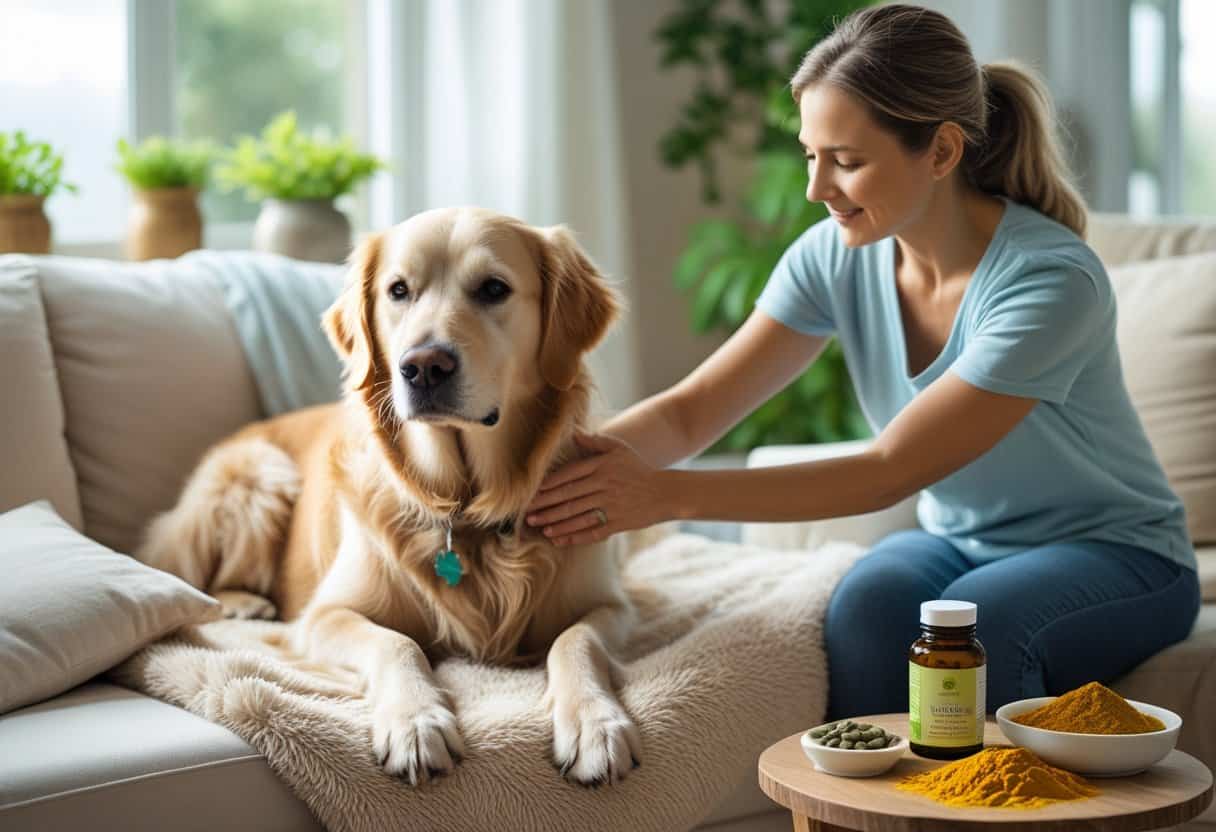
Arthritis in dogs develops over time and is influenced by several specific factors. Early signs can be subtle but recognizing them can help you seek timely care. Arthritis impacts your dog’s mobility and comfort, altering how they engage with daily activities.
Common Causes and Risk Factors
Arthritis often results from age-related wear and tear of joint cartilage. Dogs over seven years old are at higher risk, but younger dogs with joint injuries can also develop arthritis.
Certain breeds like Labradors and German Shepherds have a genetic predisposition. Obesity adds stress to joints, accelerating cartilage breakdown. Previous joint trauma or infections increase the likelihood of arthritis.
Your dog’s activity level, diet, and overall health directly affect arthritis risk. Managing weight and avoiding repetitive high-impact exercise can reduce strain on joints.
Recognizing Early Symptoms
Early arthritis symptoms can be easy to overlook. You might notice stiffness, especially after rest or difficulty rising up. Your dog could show reluctance to jump, climb stairs, or go on walks.
Lameness may appear in one or multiple limbs. Changes in behavior like irritability, reduced playfulness, or avoiding touch near joints are also signs.
Watch for subtle limping or uneven gait. Early detection allows you to start supportive treatments before the condition worsens.
How Arthritis Affects Dogs’ Quality of Life
Arthritis limits your dog’s mobility and comfort. Chronic joint pain can reduce their willingness to exercise, leading to muscle loss and further joint instability.
Daily activities such as walking, climbing, and playing become challenging. Discomfort can cause behavioral changes including withdrawal or aggression.
Pain also affects sleep, making it difficult for your dog to rest properly. Addressing arthritis symptoms helps preserve their independence and well-being.
Natural Pain Relief Methods
You can ease your dog’s arthritis pain through specific diet changes, supplements, herbal treatments, and topical options. Each method targets pain and inflammation in distinct ways to support joint health and improve comfort.
Dietary Adjustments and Supplements
Adjusting your dog’s diet can reduce joint inflammation and pain. Focus on foods rich in omega-3 fatty acids found in fish oil, which help decrease inflammation and support joint lubrication.
Supplements like glucosamine and chondroitin are proven to support cartilage health and reduce arthritis symptoms. These are commonly available in chewable treats or powders mixed with food.
Maintain a healthy weight for your dog; excess weight adds stress to joints. Balanced nutrition tailored to your dog’s needs can prevent further joint damage and improve mobility.
Herbal Remedies for Dogs
Certain herbs provide natural pain relief and reduce inflammation. Turmeric contains curcumin, which has anti-inflammatory properties and is easy to add to your dog’s meals.
Other useful herbs include ginger, which helps with pain and inflammation, and Ligusticum, known in traditional Chinese medicine for its analgesic effects.
Always consult your vet before introducing herbs, as dosages and potential interactions vary. Quality and purity of herbal products are important to ensure safety and effectiveness.
Essential Oils and Safe Topical Options
Some essential oils may provide relief when used carefully. Oils like lavender and chamomile can have calming and anti-inflammatory effects but must be properly diluted.
Direct application of heat therapy, such as warm compresses, can relax stiff joints and increase circulation. Avoid strong or undiluted oils as they can irritate your dog’s skin.
Never apply oils without guidance from a veterinarian. Focus on safe, gentle topical treatments combined with other arthritis management strategies.
Lifestyle Changes for Managing Arthritis
You can help ease your dog’s arthritis pain by adjusting daily activities, diet, and their living space. These changes focus on reducing joint stress while keeping your dog active and comfortable.
Low-Impact Exercise Routines
Maintaining joint movement is crucial, but high-impact activities can worsen arthritis. Choose low-impact exercises like short walks, swimming, and gentle indoor games such as hide and seek.
Aim for frequent, short sessions instead of long walks to prevent fatigue and joint strain. Swimming is especially good because it supports weight off the joints while providing resistance to build muscle.
Avoid rough play or sudden movements that might cause pain. Consistent, moderate exercise helps maintain muscle strength and flexibility, improving your dog’s mobility over time.
Weight Management Strategies
Excess weight increases stress on your dog’s joints and speeds up arthritis progression. You should work with your veterinarian to create a balanced diet plan tailored to your dog’s needs.
Focus on controlled portions and avoid high-calorie treats. Consider foods rich in omega-3 fatty acids such as EPA and DHA, which help reduce inflammation.
Regularly weigh your dog and adjust food intake accordingly. Losing even a small amount of weight can significantly reduce joint pain and improve your dog’s quality of life.
Creating a Comfortable Home Environment
Make your dog’s living area easy to navigate and supportive of sore joints. Use orthopedic beds or padded surfaces that relieve pressure on hips and elbows.
Place food, water bowls, and resting spots in accessible locations to reduce the need for jumping or climbing stairs.
Consider installing ramps or non-slip mats on slippery floors to prevent falls. Keep pathways clear of obstacles to reduce the risk of injury and encourage safe movement around your home.