
If your dog is dealing with anxiety, you might consider anxiety medications as part of their treatment. These drugs can help manage symptoms like separation anxiety, excessive barking, or compulsive behaviors. However, it’s important to know that anxiety medications for dogs can come with side effects such as drowsiness, dry mouth, and changes in urination.
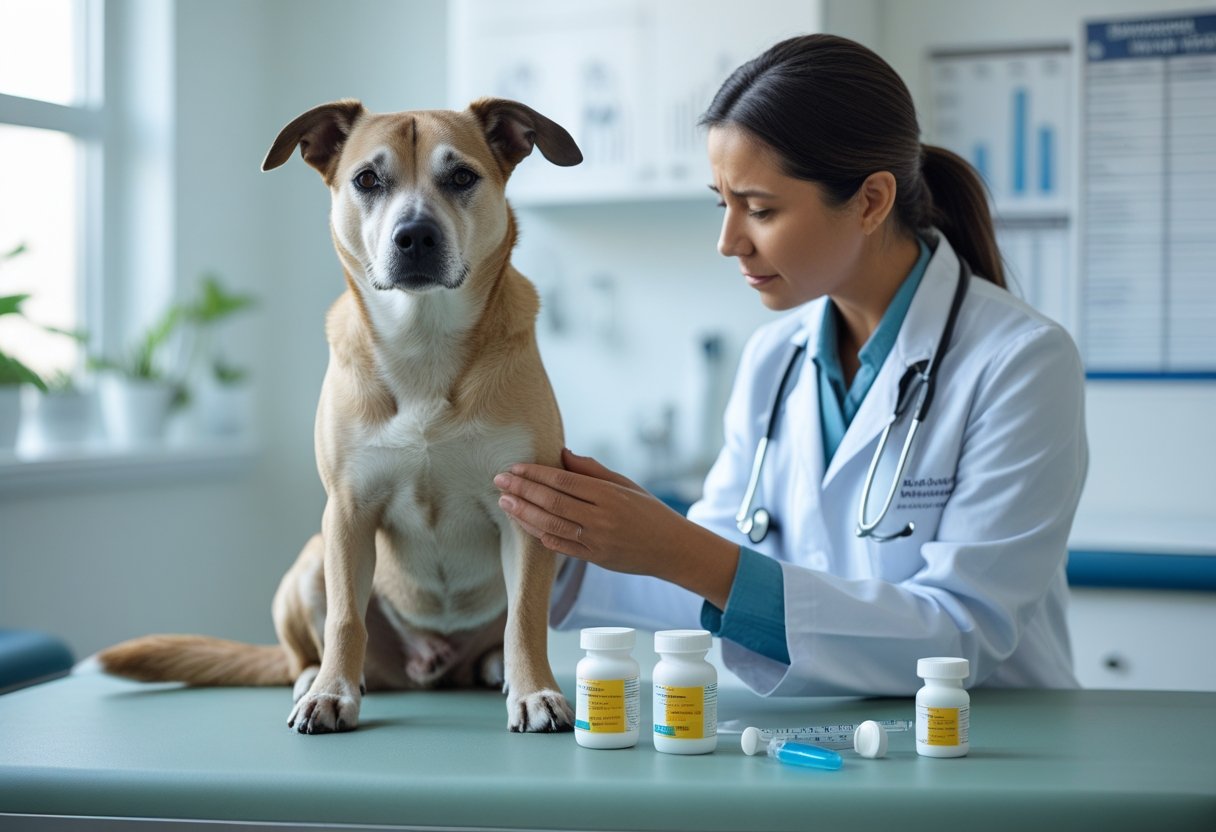
Your veterinarian will monitor your dog closely to find the right dosage and minimize unwanted effects, but some side effects may still appear, especially when starting treatment. Understanding these potential risks allows you to make informed decisions about your dog’s care and recognize when adjustments might be necessary.
Knowing what to expect can help you feel more confident in managing your dog’s anxiety while keeping their well-being a top priority. This guide will help you identify common side effects and what steps to take if they arise.
Common Side Effects of Anxiety Meds for Dogs

Anxiety medications for dogs can affect multiple systems in the body. You may notice side effects that impact digestion, behavior, neurological function, or cause more serious health concerns. Monitoring these reactions helps you and your vet manage your dog’s treatment safely.
Gastrointestinal Issues
Digestive problems are among the most frequent side effects of anxiety medications. Your dog might experience vomiting or diarrhea, which can lead to dehydration if persistent. Constipation is also common, especially with certain medications like amitriptyline.
Changes in appetite or increased thirst may occur, which can complicate feeding and hydration routines. These symptoms usually appear shortly after starting treatment or adjusting the dose.
If gastrointestinal issues become severe or prolonged, inform your veterinarian promptly. They might recommend adjusting the dosage or switching medications to reduce discomfort and maintain proper digestion.
Changes in Behavior or Energy
Medications that increase serotonin and other neurotransmitters can alter your dog’s normal behavior. You might see increased drowsiness or lethargy, making your dog less active than usual.
Conversely, some dogs may display hyperexcitability, pacing, or restlessness. Compulsive behaviors can also emerge, especially in dogs sensitive to tricyclic antidepressants like clomipramine.
Because these drugs affect brain chemistry, subtle mood changes are possible. Keeping a close eye on your dog’s energy levels and behavioral patterns ensures timely intervention if these effects become problematic.
Neurological and Physical Reactions
Neurological side effects include trembling, weakness, and difficulty walking. Some dogs may develop mild coordination issues that improve as their bodies adjust to medication.
More severe reactions, such as seizures, are rare but require immediate veterinary attention. Signs like muscle rigidity, erratic movements, or disorientation could indicate serious neurological distress.
Watch for symptoms of serotonin syndrome — a dangerous condition that causes increased body temperature, rapid heart rate, and tremors. Early diagnosis and treatment are critical for recovery.
Serious Adverse Effects
Though uncommon, serious adverse effects can arise and should be taken seriously. Irregular heart rhythms or urinary retention require urgent veterinary evaluation.
Seizures and signs of serotonin syndrome fall into this category and may be life-threatening without prompt action. The key symptoms include high fever, excessive panting, and agitation.
If your dog shows any sudden or worsening conditions, stop the medication and seek veterinary care immediately. Timely diagnosis and treatment can prevent permanent harm.
Types of Anxiety Medications Used in Dogs

Anxiety medications for dogs vary by drug class and mechanism. You may find that some medications target serotonin levels, while others affect different brain chemicals. Dosage adjustments are often necessary to balance effectiveness with side effects.
SSRIs and Antidepressants
Selective serotonin reuptake inhibitors (SSRIs) like fluoxetine are commonly prescribed to treat anxiety by increasing serotonin levels in your dog’s nervous system. This helps regulate mood and reduce anxiety symptoms.
Another widely used antidepressant is clomipramine. It’s a tricyclic antidepressant that also influences serotonin and norepinephrine. This drug is FDA-approved for separation anxiety in dogs and often requires gradual dosage adjustments to avoid side effects.
Side effects of these medications can include lethargy, dry mouth, or changes in appetite. Monitoring your dog closely when starting or adjusting the dose is important.
Other Commonly Prescribed Medications
Besides SSRIs and antidepressants, buspirone is sometimes used to treat anxiety, especially generalized anxiety or situational fear. It works differently by affecting serotonin receptors without sedation.
Other options include benzodiazepines or supplements, but veterinarians generally prefer medications with a safer side effect profile for long-term use. Dosage changes may be necessary to find the most effective and tolerable dose for your dog.
When using any anxiety medication, side effects can occur, so ongoing communication with your vet is essential to tailor the treatment to your pet’s needs.
Factors Influencing Side Effects
Several factors affect how your dog experiences side effects from anxiety medications. These include the dog’s overall health, the specific anxiety condition being treated, and how the medication is dosed and administered.
Individual Health and Diagnosis
Your dog’s existing health issues and overall condition play a crucial role in how they react to anxiety medications. Dogs with chronic pain, heart problems, or kidney issues may be more vulnerable to side effects. It’s important to provide your vet with a full medical history to tailor treatment effectively.
Diagnosis accuracy matters. Dogs with separation anxiety might respond differently to medication compared to those with noise phobia or thunderstorm phobia. These distinctions influence drug choice and dosage, impacting side effects. Your dog’s unique sensitivity to medicine also varies, so close monitoring during treatment is essential.
Types and Levels of Anxiety
The severity and type of anxiety your dog experiences affect medication side effects. Situational anxieties like noise phobia may need short-term, lower-dose treatment, reducing risk. Chronic or generalized anxiety, such as separation anxiety, often requires longer treatment with potentially higher doses, increasing side effect chances.
Medications targeting multiple neurotransmitters, like tricyclic antidepressants, can cause issues such as drowsiness or urinary retention depending on anxiety type and treatment duration. Your vet may adjust medications based on how your dog’s anxiety responds to minimize these effects.
Dosage and Administration Concerns
Proper dosage and administration schedules are critical in managing side effects. Overdosing or abrupt changes can lead to symptoms like agitation, increased blood pressure, or serotonin syndrome in rare cases.
Dosage adjustments should be gradual, especially as your dog’s anxiety improves or if side effects appear. Consistent timing helps maintain stable drug levels, reducing risks.
Consider your dog’s size, weight, and metabolism. Smaller dogs often need lower doses, and medication forms (pills, liquids) affect absorption and side effects. You should follow veterinary instructions carefully and report any unusual reactions promptly.
Minimizing Risks and Considering Alternatives
Managing your dog’s anxiety medication risks involves combining effective care strategies and exploring non-medication options. You can reduce side effects by integrating behavior training, natural remedies, and planning for ongoing treatment expenses.
Behavior Modification and Training
Behavior training is a key way to reduce your dog’s anxiety without relying solely on medication. Techniques such as desensitization and counter-conditioning help your dog gradually face anxiety triggers in a controlled, positive manner.
You should work with a professional trainer or veterinary behaviorist who understands anxiety disorders. Consistency and patience are essential for lasting results. Training can sometimes lessen the need for higher medication doses, lowering side effect risks.
Using behavioral tools like puzzle toys, exercise routines, and positive reinforcement improves your dog’s mental state. This also provides an outlet for stress and prevents worsening anxiety symptoms over time.
Natural Remedies and Supportive Approaches
Natural remedies may complement or, in some cases, reduce reliance on anxiety medications. Options include pheromone diffusers, calming supplements like CBD oil or L-theanine, and herbal products such as valerian root.
You must consult your veterinarian before starting any natural supplement, particularly if your dog is already taking prescription medications. Some remedies might interact or cause adverse reactions.
Supportive care includes ensuring a quiet, safe environment and maintaining a regular schedule. Tools like anxiety wraps and sound therapy can also provide comfort. These approaches are generally low risk and can enhance your overall treatment plan.
Planning for Long-Term Care and Costs
Long-term management of canine anxiety requires financial and treatment planning. Anxiety medications often need ongoing prescription and monitoring, which can add up.
Consider these factors:
- Regular veterinary visits to assess treatment effectiveness and side effects
- Cost of medications, supplements, and behavior training sessions
- Potential need for emergency care if severe side effects occur
Pet insurance that covers behavioral conditions can help offset expenses. Evaluate your options early to avoid financial strain and ensure consistent care.
Planning ahead ensures you can address side effects promptly and maintain an effective treatment balance without unexpected difficulties.