
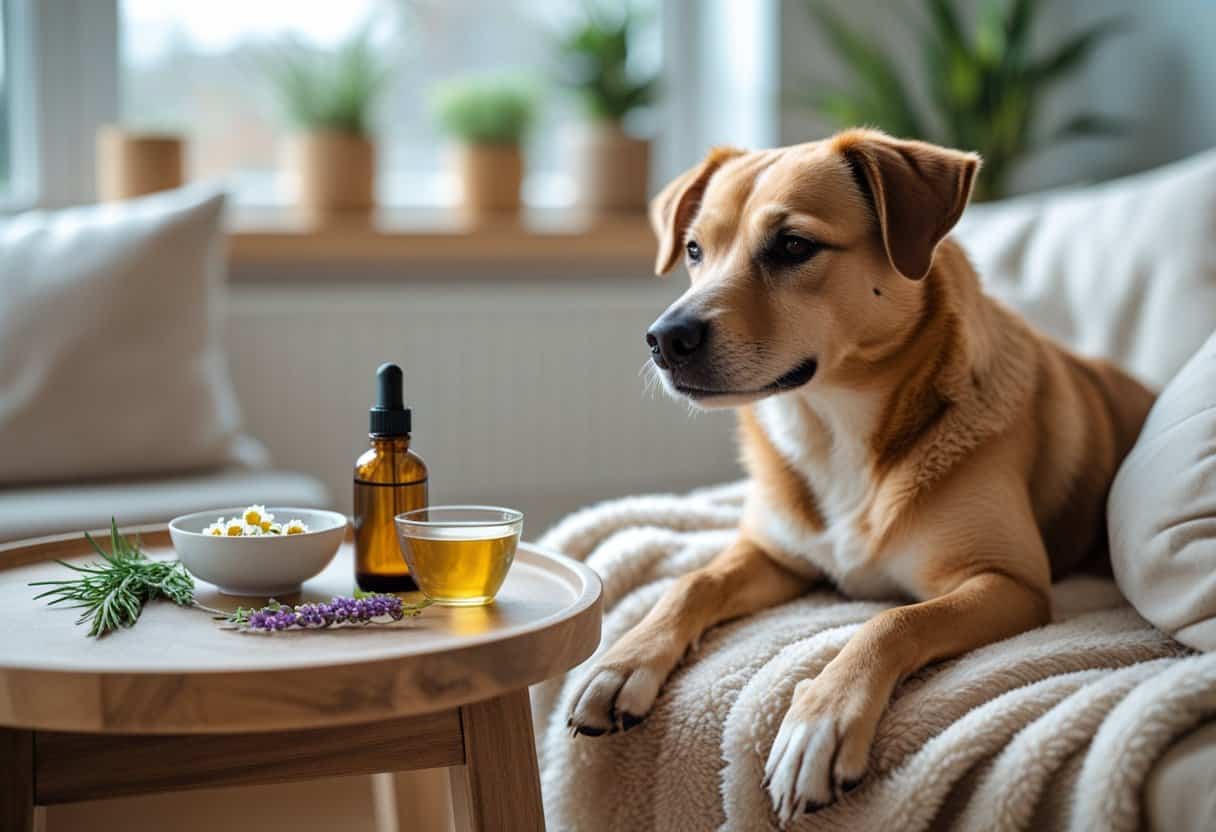
If your dog is constantly bouncing off the walls and struggling to settle, you’re likely seeking effective, natural ways to help calm their energy. Natural remedies such as valerian root, chamomile, and calming music can reduce your dog’s hyperactivity without relying on medication. These options work by soothing anxiety and providing a gentle way to manage excess energy.
You don’t have to accept a hyperactive dog as a permanent challenge. Simple adjustments like introducing calming treats or creating a peaceful sound environment can make a noticeable difference in your dog’s behavior. Understanding these remedies gives you practical tools to improve their well-being and create a calmer home atmosphere.
Understanding Hyperactivity in Dogs

Hyperactivity in dogs can stem from several factors including genetics, environment, and health. Recognizing the signs of excessive hyperactivity helps you address the behavior early and choose appropriate interventions. Knowing when to seek professional advice ensures your dog’s wellbeing and safety.
Causes of Excessive Hyperactivity
Excessive hyperactivity often comes from a mix of physical and mental factors. Some breeds naturally have higher energy levels, requiring more stimulation. Lack of exercise or mental engagement can worsen hyperactive behavior.
Environmental stress or inconsistent routines also contribute. Changes in your dog’s surroundings or schedule may cause restlessness. Medical issues, such as thyroid imbalances or neurological problems, can increase activity levels unexpectedly.
Understanding these causes helps you tailor your approach to calming your dog, ensuring it addresses the root of the hyperactivity rather than just the symptoms.
Recognizing Signs of a Hyperactive Dog
You may notice your dog is constantly moving, struggling to focus, or reacting excessively to stimuli. Signs include pacing, jumping, barking, or difficulty settling down after play or rest.
Hyperactive dogs often have short attention spans and may engage in destructive behavior out of frustration. Excessive hyperactivity differs from normal energy levels by its intensity and persistence.
Monitoring your dog’s daily activity and behavior patterns can help you distinguish between normal playfulness and hyperactivity that needs intervention.
When to Seek Professional Guidance
Consult a veterinarian if hyperactivity appears suddenly or worsens without clear cause. They can rule out medical conditions like hyperthyroidism or anxiety disorders.
A professional trainer or behaviorist is useful when hyperactivity disrupts your dog’s or household’s quality of life. They can assess if the behavior results from poor training, anxiety, or other underlying issues.
Immediate professional help is essential if your dog’s hyperactivity leads to aggression or self-harm. Early intervention prevents long-term behavioral problems.
Natural Calming Remedies for Hyperactive Dogs
You can manage your dog’s hyperactivity using specific natural compounds and lifestyle changes. Some natural supplements affect brain chemistry, while others support relaxation through routine and environmental adjustments.
L-Theanine and Its Effects
L-Theanine is an amino acid found in tea leaves that promotes relaxation without sedation. It works by increasing levels of calming neurotransmitters like GABA and serotonin in your dog’s brain.
Dogs given L-Theanine often exhibit reduced anxiety and improved focus. It is commonly included in calming chews or supplements. The effects are subtle, helping hyper dogs maintain calmness during stressful situations without impairing normal activity.
When using L-Theanine, follow dosage guidelines carefully, as it is most effective when combined with other calming strategies like exercise or a consistent schedule.
Valerian Root for Canine Calmness
Valerian root is a well-known natural sedative, used to reduce anxiety and hyperactivity in dogs. It contains compounds that interact with your dog’s nervous system to promote relaxation and mild sedation.
Valerian is typically found in tinctures, capsules, or calming treats. Its effects may take time to build and should not be combined with prescription sedatives without veterinary approval.
Some dogs might be sensitive to valerian’s smell or taste, so start with small doses. Valerian root serves well for situational anxiety such as thunderstorms or travel.
Herbal Calming Supplements
Calming supplements often include a blend of herbs like chamomile, skullcap, and hemp. Each has properties targeting stress and promoting relaxation naturally.
- Chamomile: Reduces irritability and has anti-inflammatory effects.
- Skullcap: May ease nervous tension and hyperactivity.
- Hemp-based products: Contain cannabinoids that interact with endocannabinoid receptors to support calm behavior.
Check supplements for appropriate dosages and certifications. They are most effective when part of a consistent routine rather than one-time use.
Relaxation Techniques and Lifestyle Adjustments
Adjusting your dog’s environment and daily habits is critical for managing hyperactivity. Regular exercise helps expend excess energy and improves mood.
Establish predictable feeding and playtime schedules to reduce anxiety triggers. Playing soft music or white noise can mask stress-inducing sounds.
Using calming wraps or thundershirts applies gentle pressure, helping your dog feel secure. Combining these techniques with natural supplements often yields the best results for lasting calmness.
Medical Approaches for Managing Hyperactivity
Managing your dog’s hyperactivity sometimes requires medical support. Several anti-anxiety medications and prescription drugs are available to help reduce excessive energy and anxiety. Understanding how these medicines work can guide you in discussing options with your veterinarian.
Anti-Anxiety Medications
Anti-anxiety medications target the neurological causes of hyperactivity and stress in dogs. These drugs help balance brain chemicals, promoting calm behavior. Common types include benzodiazepines and trazodone, which reduce nervous energy and restlessness.
You should use anti-anxiety medications under veterinary supervision to ensure proper dosing and to monitor side effects. Most drugs take time to show effects, so patience and consistency are necessary. These medications are often combined with behavior modification practices for best results.
Prescription Medicine to Calm Hyper Dogs
Prescription medicines for hyperactive dogs primarily focus on neurotransmitter regulation. These drugs influence serotonin and dopamine levels, critical for mood and energy balance. Your veterinarian may prescribe medications if natural remedies and training are insufficient.
You must inform your vet about any supplements or other medications your dog is taking to avoid harmful interactions. Side effects like drowsiness, appetite changes, and gastrointestinal upset are possible but typically manageable. Always follow your vet’s dosage recommendations strictly.
Overview of Fluoxetine and Sertraline
Fluoxetine and sertraline are selective serotonin reuptake inhibitors (SSRIs) commonly prescribed to control anxiety and hyperactivity in dogs. Fluoxetine (Prozac) is widely used for compulsive behaviors and general anxiety, while sertraline (Zoloft) is effective for anxiety-related hyperactive symptoms.
Both medications increase serotonin availability in the brain, which helps regulate mood and decrease impulsive behavior. Treatment usually lasts for several weeks before noticeable improvements occur. Regular veterinary check-ins ensure dosage adjustments and monitor for side effects like lethargy or digestive issues.