
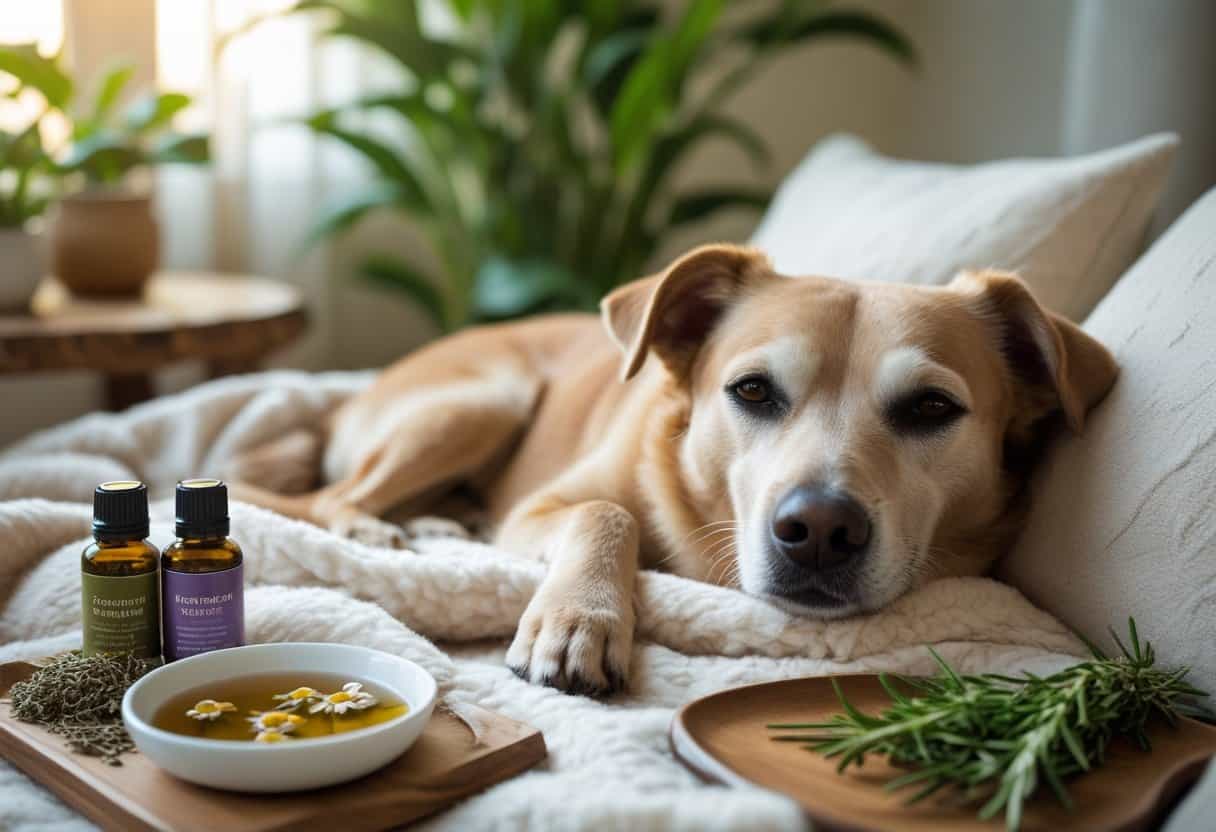
If your dog experiences anxiety attacks, natural remedies can offer effective relief without the side effects of some medications. Many pet owners seek natural remedies for dog anxiety attacks to help their furry friends find relief without resorting to pharmaceuticals. Options like CBD oil, calming herbs, and supplements such as L-tryptophan and melatonin can help reduce anxiety and promote relaxation in dogs. These remedies work by supporting your dog’s nervous system to manage stress more effectively.
In addition to supplements, simple changes like feeding whole oats or brown rice and engaging your dog with calm, brain-focused activities can make a noticeable difference. You can combine these approaches to create a well-rounded strategy tailored to your dog’s specific needs. Understanding what works for your pet is key to keeping their anxiety in check naturally.
Understanding Dog Anxiety Attacks

Anxiety attacks in dogs are intense episodes that can cause sudden distress and behavioral changes. Recognizing what these attacks look like and knowing their triggers can help you respond effectively and support your dog’s wellbeing.
Common Signs and Symptoms
You may notice your dog showing restlessness, pacing, or trembling during an anxiety attack. Excessive barking or howling can also occur, often paired with panting and drooling even if there’s no physical exertion.
Other signs include hiding, shaking, or destructive behaviors like chewing on furniture. Some dogs may also try to escape or hide in corners, showing signs of hyperactivity before the attack. In severe cases, vomiting or diarrhea can happen due to stress.
Monitoring early symptoms helps you intervene quickly. Each dog’s response varies, so understanding your dog’s normal behavior is crucial to identifying anxiety attacks.
Causes of Anxiety in Dogs
Anxiety in dogs can stem from multiple sources, including past trauma, genetic predisposition, or lack of proper socialization. Separation anxiety is a common cause, where dogs feel distress when left alone or separated from you.
Loud noises such as thunderstorms or fireworks can trigger acute anxiety attacks. Changes in environment or routine also contribute to increased stress levels, especially for sensitive or highly active dogs.
Understanding these causes allows you to anticipate triggers and reduce your dog’s anxiety through targeted natural remedies or behavior management strategies.
Effective Natural Remedies for Dog Anxiety Attacks
Calming your dog naturally involves targeted supplements and plant-based ingredients known for their soothing effects. These options offer alternatives to pharmaceuticals and can be integrated with behavior strategies for anxiety management.
Herbal Supplements for Calming
Herbal supplements are a practical approach to help reduce anxiety symptoms in dogs. Herbs like valerian root, passionflower, and kava are commonly used for their calming properties.
You can find these herbs in tinctures, capsules, or treats made specifically for pets. It’s important to follow dosage instructions closely, as incorrect amounts may cause side effects or be ineffective. Zesty Paws Calming Bites for Dogs contain these ingredients and have received positive reviews from pet owners
Avoid using any herbal supplement without consulting your vet. This ensures safety, especially if your dog is on other medications or has health conditions.
Using Chamomile and L-theanine
Chamomile is well-regarded for its mild sedative effects and ability to reduce anxiety. Administering chamomile tea or extracts can help calm your dog without causing drowsiness. It is also safe for regular use when given in proper doses.
L-theanine, an amino acid derived from green tea leaves, supports relaxation by promoting neurotransmitters associated with calmness. This supplement is often combined with chamomile in calming products for increased effect.
Both chamomile and l-theanine can be given as part of your dog’s diet or through specialized calming treats. Always monitor your dog’s response and consult your veterinarian before starting new supplements.
Integrating Aromatherapy and Essential Oils
You can use aromatherapy and essential oils to help ease your dog’s anxiety safely and effectively. Not all oils are suitable for dogs, so choosing the right ones and applying them correctly is essential to avoid harm.
Safe Essential Oils for Dogs
Certain essential oils have calming effects without posing risks to your dog. Lavender, chamomile, and bergamot are widely recognized for their natural soothing properties. These oils can help reduce stress, fear, and emotional agitation.
Avoid oils like tea tree, peppermint, eucalyptus, and citrus oils in concentrated forms, as they can be toxic to dogs. Always dilute essential oils with a carrier oil (such as coconut or jojoba oil) before use to minimize irritation or adverse reactions.
Using pure, high-quality essential oils is important. You should also introduce any new oil in small amounts and monitor your dog for signs of discomfort or allergies.
How to Apply Aromatherapy at Home
Aromatherapy for dogs is best applied through diffusion or topical use. For diffusion, use an essential oil diffuser in a well-ventilated room for short periods, about 15-30 minutes, to prevent overwhelming your dog’s sensitive nose.
For topical application, mix 1-2 drops of essential oil with a tablespoon of carrier oil. Apply gently to safe areas like the chest or back but avoid the face, nose, eyes, and genitals. Never apply undiluted oils directly to your dog’s skin.
You can also add diluted oils to your dog’s bedding or collar, which can provide continuous mild exposure without direct contact. Always observe your dog’s behavior during aromatherapy sessions and discontinue use if any signs of distress or irritation appear.
Supporting Anxious Dogs at Home
You can help your dog manage anxiety by creating an environment that reduces stress and encourages calm behavior. Using targeted behavioral techniques and enrichment activities also supports emotional balance and reduces hyperactivity.
Creating a Calming Environment
Designate a specific spot in your home as a safe space for your dog. This can include a comfortable bed, soft blankets, and items that carry familiar scents. Make sure this area is quiet and free from sudden loud noises.
Use calming aids like chamomile or lavender sprays around the space. These have mild relaxing effects without sedating your dog. Avoid overstimulating lights or sounds, keeping the room dim and peaceful.
Keep a consistent routine to lessen anxiety triggered by uncertainty. Regular feeding, walking, and resting times help your dog feel more secure and grounded at home.
Behavioral Techniques and Enrichment
Use positive reinforcement to encourage calm behavior. Reward your dog with treats or praise when they remain relaxed during triggers like thunderstorms or visitors.
Introduce structured activities such as puzzle toys or slow feeding bowls to occupy your dog’s mind and reduce excess energy that can lead to hyperactivity.
Training exercises focused on basic commands can increase your dog’s confidence and give them a sense of control. Consistent, gentle guidance prevents frustration and supports emotional stability.
Offering predictable interaction times and short play sessions daily improves your dog’s coping ability, reducing anxiety over time.
Pressure Wraps like the ThunderShirt Dog Anxiety Solution apply gentle, constant pressure to your dog’s torso, which can have a calming effect during stressful situations.
Frequently Asked Questions
What are the signs of anxiety attacks in dogs?
A: Signs include excessive barking, destructive behavior, pacing, trembling, and attempts to escape. Recognizing these signs early can help in managing your dog’s anxiety effectively.
Are natural remedies safe for all dogs?
A: While many natural remedies are safe, it’s essential to consult with your veterinarian before introducing any new supplement or treatment to ensure it’s appropriate for your dog’s specific needs.
How long does it take for natural remedies to work?
A: The effectiveness and time frame can vary depending on the remedy and the individual dog. Some supplements may show effects within a few hours, while others might take days or weeks.
Addressing your dog’s anxiety doesn’t always require pharmaceuticals. By understanding the triggers and implementing natural remedies for dog anxiety attacks, you can help your furry friend lead a calmer, happier life. Remember to consult with your veterinarian before starting any new treatment, and consider exploring our free guide for more insights into natural pet care.