
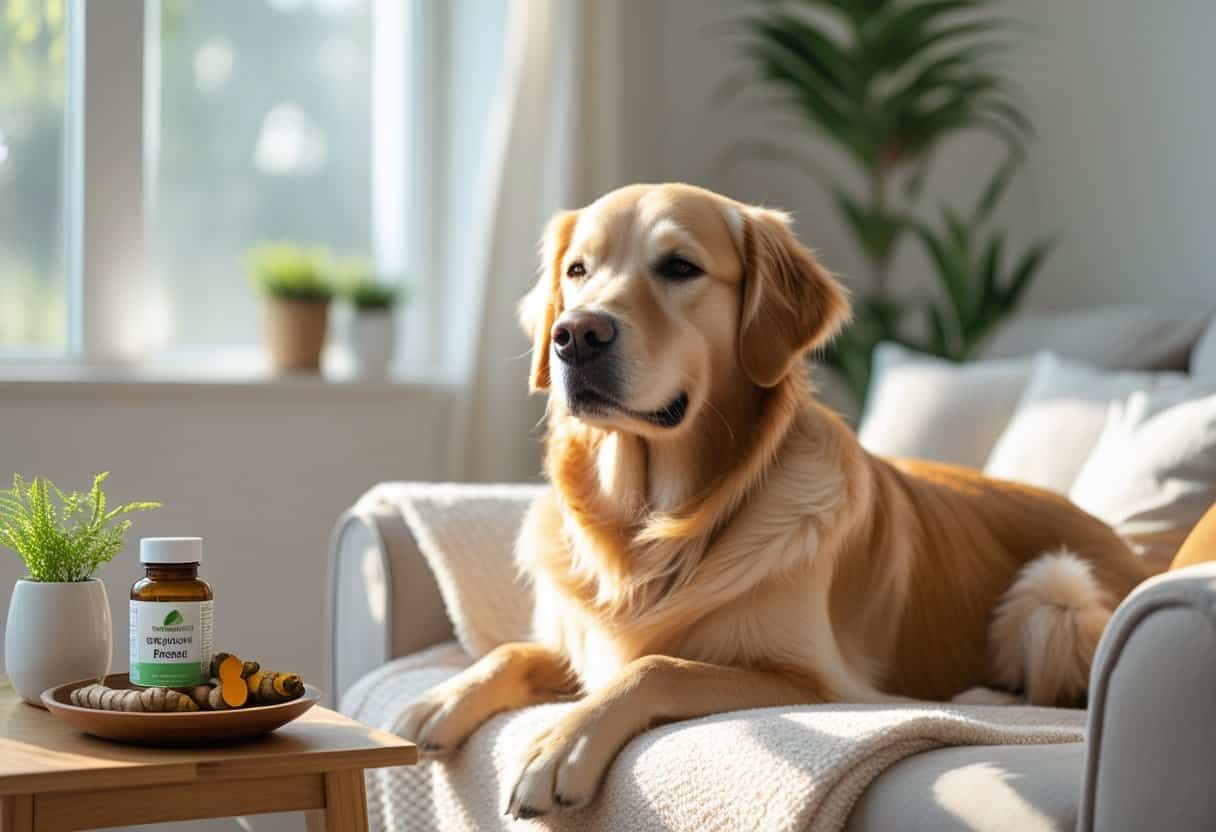
If your dog is experiencing pain, you may want to consider natural remedies as a way to support their comfort without relying solely on medication. Natural pain relief for dogs includes options like supplements, cold therapy, massage, and specific herbs known to reduce inflammation and ease discomfort. These approaches can help your dog manage pain while promoting overall well-being.
You have several choices when it comes to natural pain relief, including omega-3 fatty acids, glucosamine, and herbs like turmeric or boswellia. Physical therapies such as massage and cold therapy can also provide relief by targeting sore muscles and joints. Understanding these options allows you to create a balanced approach to your dog’s pain management.
Understanding Pain and Inflammation in Dogs
Pain and inflammation in dogs can arise from various causes and often manifest through specific signs you should watch for. By recognizing the root problems and symptoms, you can better support your dog’s comfort and health.
Common Causes of Discomfort
Discomfort in dogs frequently stems from injury, aging, or underlying health issues like arthritis or infections. Overexertion, muscle strains, or joint wear and tear are typical sources of pain.
Environmental factors such as rough terrain or repetitive movements can worsen discomfort. You should also consider your dog’s breed and size, as some are more prone to joint problems and pain.
Acute injuries cause sharp pain, while chronic conditions may produce ongoing, low-grade discomfort. Noticing changes in your dog’s behavior or posture can help you identify when pain is present.
Recognizing Dog Arthritis Symptoms
Arthritis in dogs is a common cause of chronic pain, especially in older or larger breeds. Key symptoms include stiffness, limping, and difficulty rising or climbing stairs.
Your dog may show reluctance to walk or play and might be less active than usual. You might observe swelling around affected joints or changes in gait.
Other signs can include licking or chewing painful areas and increased irritability or withdrawal. Early detection of arthritis symptoms helps you manage pain and maintain your dog’s quality of life.
Identifying Inflammation and Swelling
Inflammation often accompanies pain and is a biological response to injury or infection in joints or soft tissues. You can sometimes see redness, warmth, or obvious swelling in these areas.
Swelling can cause restricted movement and additional discomfort. It’s important to differentiate between mild inflammation and severe cases that may require veterinary attention.
Common sites for swelling include paws, knees, hips, and elbows. You might also notice your dog favoring a limb or avoiding putting weight on it. Timely identification of inflammation helps guide appropriate relief methods.
Natural Pain Relief Options for Dogs
You can support your dog’s comfort through supplements, herbs, diet, and physical therapies that target inflammation, joint health, and mobility. These approaches work by reducing pain signals, improving joint function, or encouraging gentle movement without harsh medications.
Anti-Inflammatory Supplements
Supplements like omega-3 fatty acids from fish oil reduce natural inflammation in joints, helping dogs with arthritis or chronic pain. Turmeric contains curcumin, a natural anti-inflammatory compound that can ease discomfort when given correctly.
Other useful supplements include MSM (methylsulfonylmethane), which supports connective tissue health, and boswellia, known for reducing joint swelling. Glucosamine and chondroitin help maintain cartilage and joint structure, promoting long-term mobility.
You should consult your vet before starting supplements to confirm proper dosage and rule out interactions with other medications.
Herbal Remedies and Natural Compounds
Traditional herbs can offer pain relief without harsh side effects. Turmeric is the most studied herb, valued for its curcumin content, which provides anti-inflammatory and antioxidant benefits.
Other herbs like boswellia and comfrey have been used to address inflammation and support healing. These plants contain compounds that may reduce joint pain and stiffness.
When using herbal remedies, quality and source matter. Choose products with standardization of active ingredients to ensure consistent potency.
Dietary Approaches to Pain Relief
Certain diets support joint health and reduce inflammation naturally. Including omega-3 fatty acids in your dog’s food or treats can lower joint pain and improve mobility over time.
Adding vitamin C can strengthen connective tissues and support the immune system. Diets enriched with natural antioxidants may help counteract oxidative stress linked to chronic pain.
Avoid foods that promote inflammation, such as excessive grains or additives. Balanced nutrition tailored to your dog’s needs is key to managing discomfort.
Physical Therapies and Exercise
Controlled exercise helps maintain muscle strength and joint flexibility, reducing stiffness and pain. Low-impact activities like swimming or gentle walking are preferable for dogs with joint issues.
Massage therapy can decrease muscle tension and promote blood flow to painful areas, which assists natural healing. Cold therapy temporarily reduces swelling and numbs pain after intense activity or flare-ups.
Orthopedic bedding supports proper joint alignment during rest, easing discomfort from pressure. Regular physical activity combined with these therapies improves your dog’s overall quality of life.
Supporting Joint Health and Mobility
Maintaining your dog’s joint health is essential to reduce pain and improve movement. Addressing stiffness, lameness, and caring for major areas like hips and back will help your dog stay active and comfortable. You can also support recovery after injuries with targeted care.
Managing Stiffness and Lameness
Stiffness in dogs often signals joint pain or inflammation, especially with age or arthritis. You can help by incorporating gentle, regular exercise to maintain flexibility without overexertion.
Supplements containing glucosamine and chondroitin can aid in repairing cartilage and reducing inflammation. Omega-3 fatty acids, particularly DHA and EPA, provide anti-inflammatory effects that address pain pathways similar to some medications.
Be vigilant for signs of lameness like limping or reluctance to move. Early intervention through physical therapy or controlled activity can prevent worsening symptoms.
Caring for Joints, Hips, and Back
Your dog’s hips, back, and other joints require support to prevent degeneration. Maintaining a healthy weight reduces stress on these areas.
Soft chew supplements targeting bone, joint, tissue, and cartilage health support the structure of hips and the spine. You may also consider therapies like massage and acupuncture, which can alleviate discomfort and improve circulation.
Providing orthopedic bedding helps reduce pressure on joints during rest, which is particularly helpful for dogs with arthritis.
Recovery After Injury and Sprains
Sprains and minor injuries need careful management to promote healing and avoid chronic problems. Rest and limited movement are critical during the first phase to reduce swelling and pain.
Applying cold therapy in the initial 48 hours can minimize inflammation. After swelling subsides, gentle warm compresses improve blood flow to damaged tissues.
You should gradually reintroduce mobility exercises as recommended by your vet or physical therapist to restore strength and prevent stiffness. Joint supplements may also support tissue repair during recovery.
Additional Considerations for Comfort and Wellness
Ensuring your dog’s comfort goes beyond addressing pain directly. You need to watch for side effects like constipation and create an environment that supports relaxation and mobility.
Monitoring for Constipation and Digestive Issues
Pain medications and reduced activity can lead to constipation in dogs. Watch for signs such as straining during bowel movements, dry or hard stools, and decreased appetite. These symptoms can worsen discomfort and affect your dog’s overall wellbeing.
You can support healthy digestion by providing plenty of fresh water and a diet rich in fiber. Adding pumpkin puree or prescribed dietary supplements may help regulate bowel movements. If constipation persists for more than two days, consult your veterinarian promptly to avoid complications.
Regular exercise, adjusted to your dog’s pain level, encourages digestion and helps prevent constipation. Keep in mind that some natural supplements might affect digestion, so monitor your dog closely when starting new treatments.
Enhancing Overall Comfort at Home
Creating a comfortable environment is crucial for your dog’s pain management. Provide a soft, orthopedic bed to relieve pressure on joints and muscles. Place bedding in quiet, warm areas away from drafts or cold floors.
Use supportive ramps or steps to help your dog access favorite resting spots without strain. Massage and gentle stretching can also ease muscle stiffness, boost circulation, and increase comfort.
Temperature control matters too. Warm compresses can help relax tight muscles, while cold compresses reduce inflammation and swelling. Observe your dog’s response and use these treatments carefully to avoid causing additional stress.